
?

Our products and solutions

Product Categories

Standards

  • Tests on raw materials

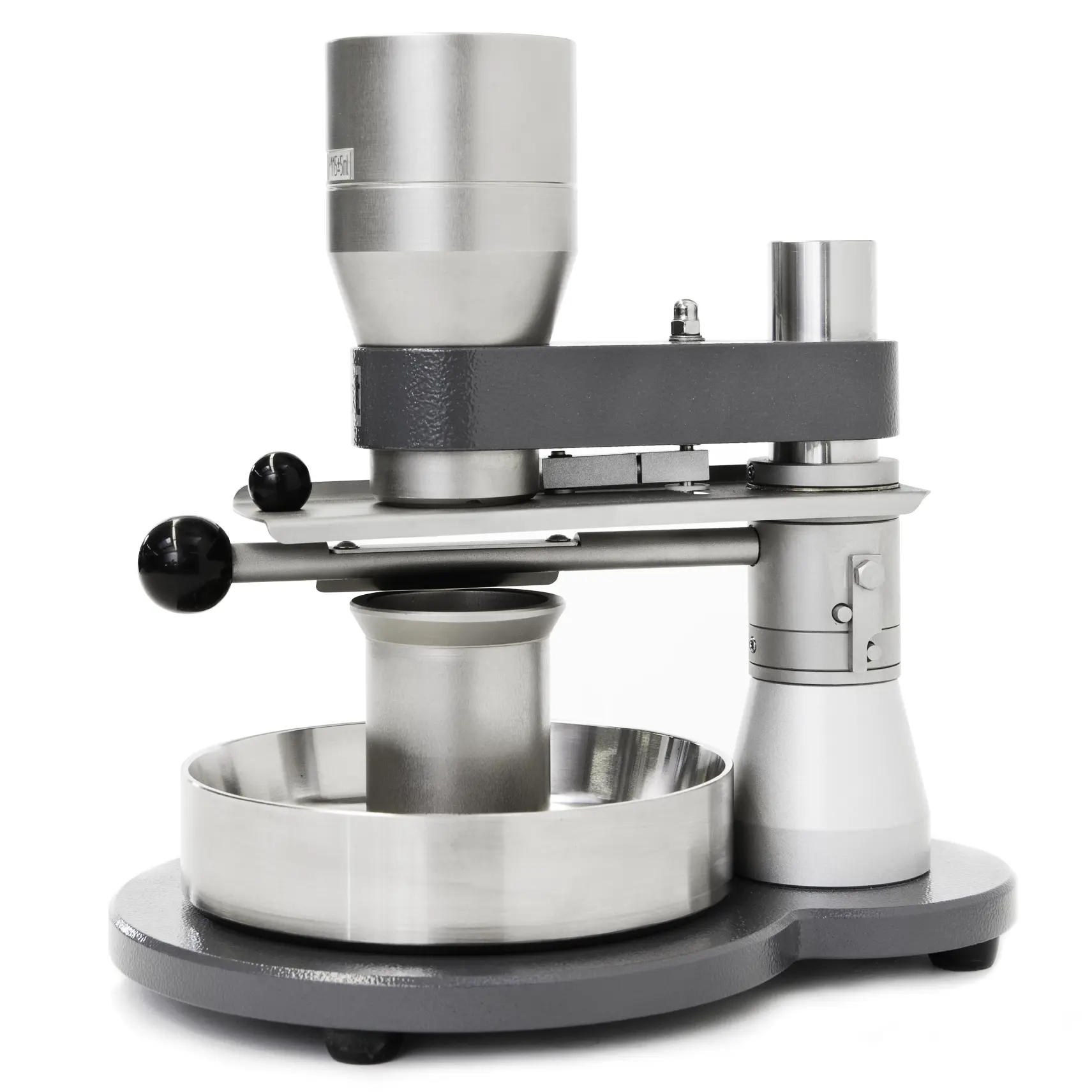
The device for determining bulk density is a simple and reliable option for checking the uniform structure of moulding compounds.

Standards

  • ISO 60
  • ASTM D 1895
  • Tests on raw materials

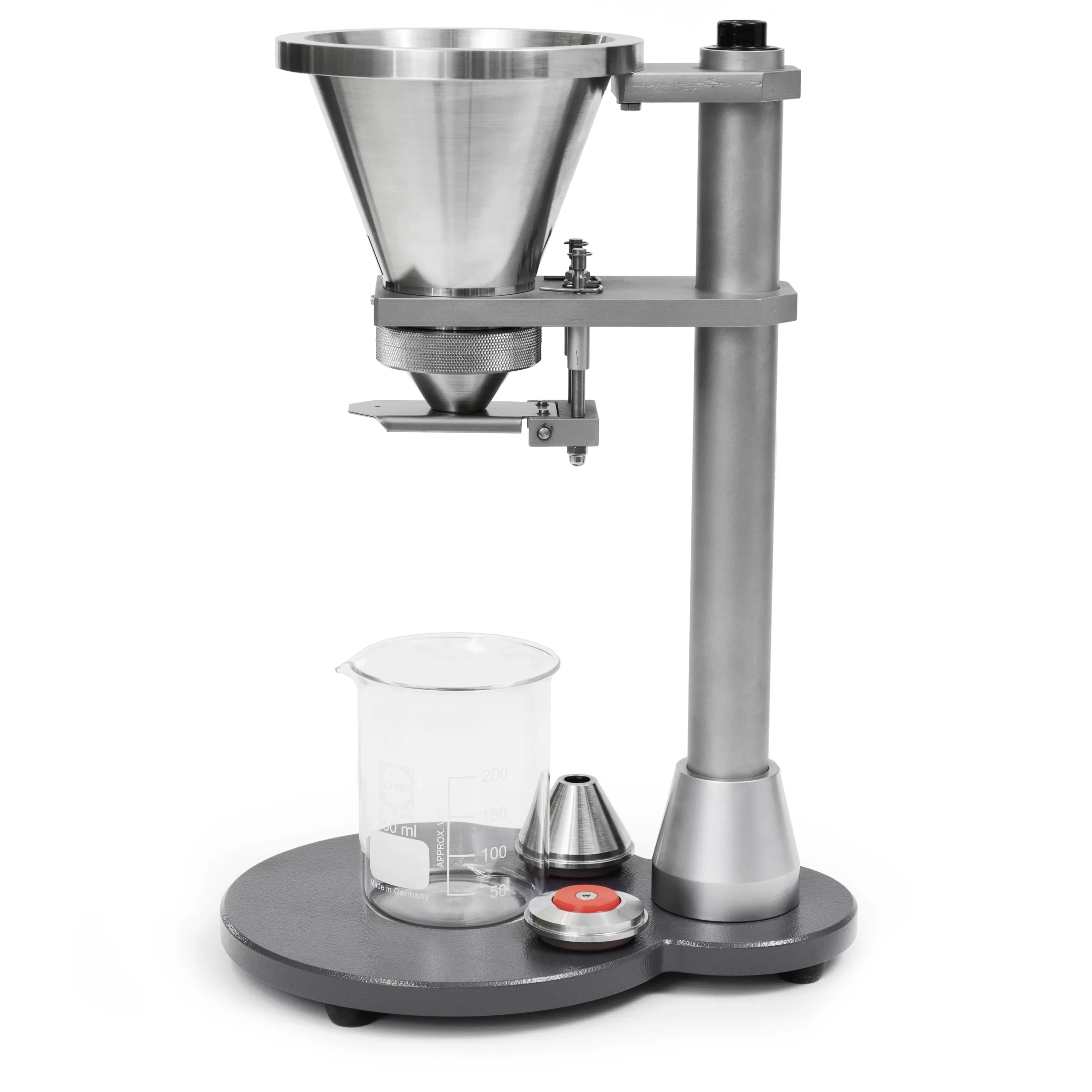
Poor plastic flow properties can cause the flow of material in the funnel of the processing machine to slow down and even stop.

Standards

  • ISO 6186
  • ASTM D 1895
  • Tests on raw materials
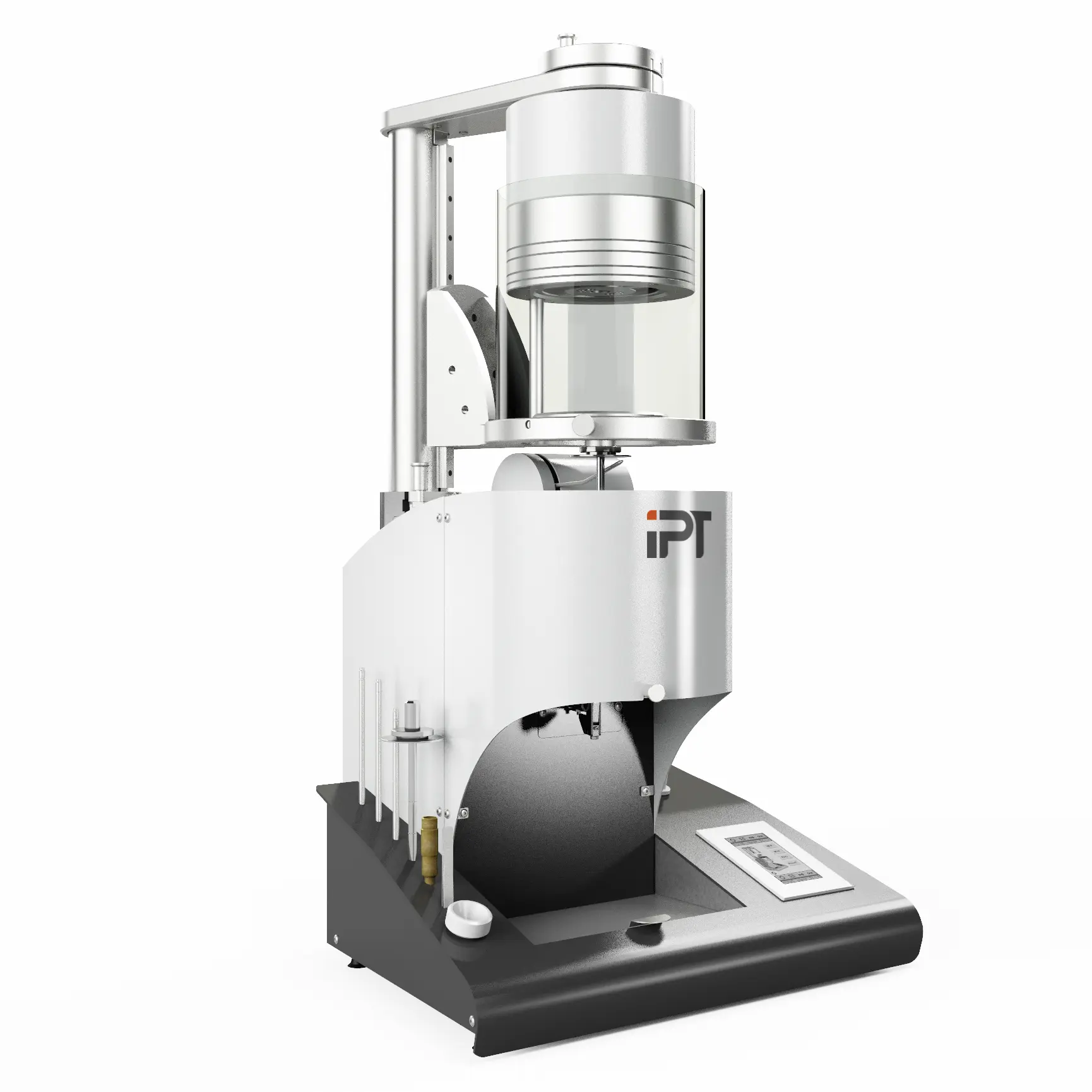
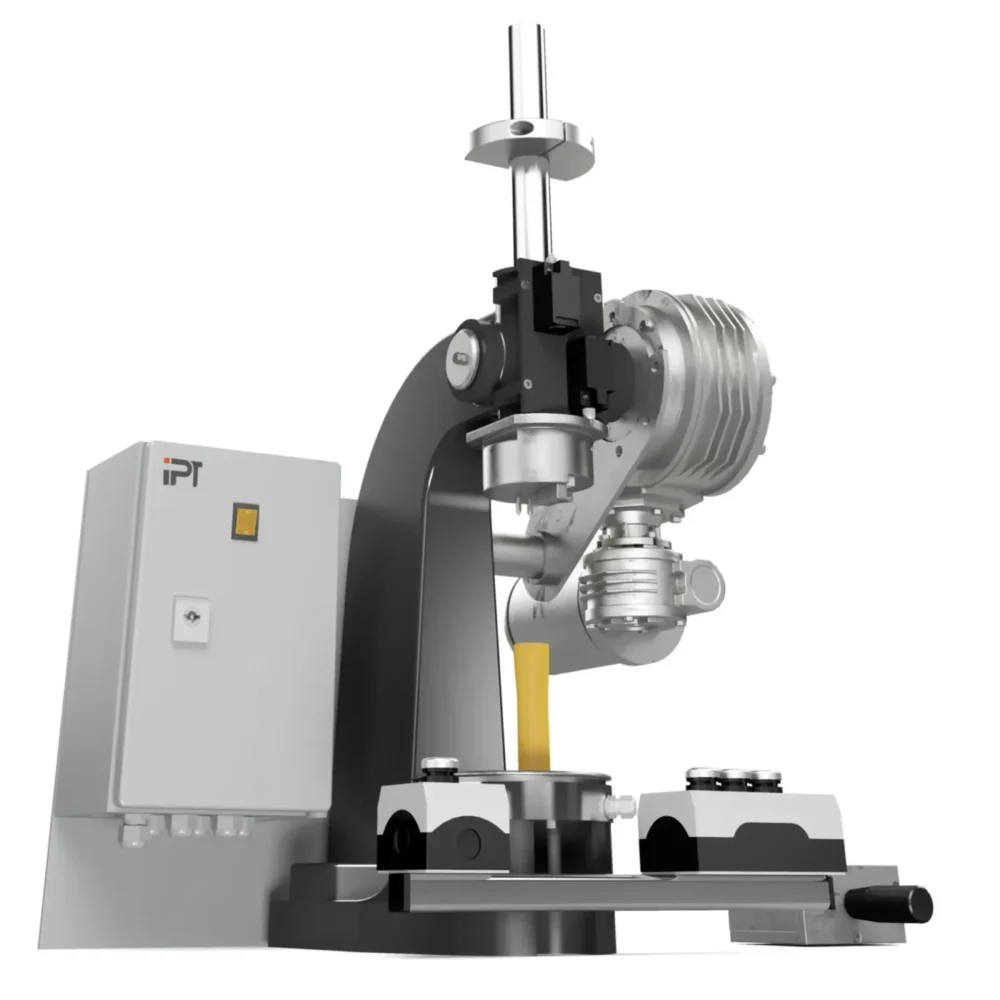
The 1709 MFR/MVR tester is used to determine the melt flow rate of thermoplastics.

Standards

  • ISO 1133
  • ASTM D 1238
  • Tests on raw materials

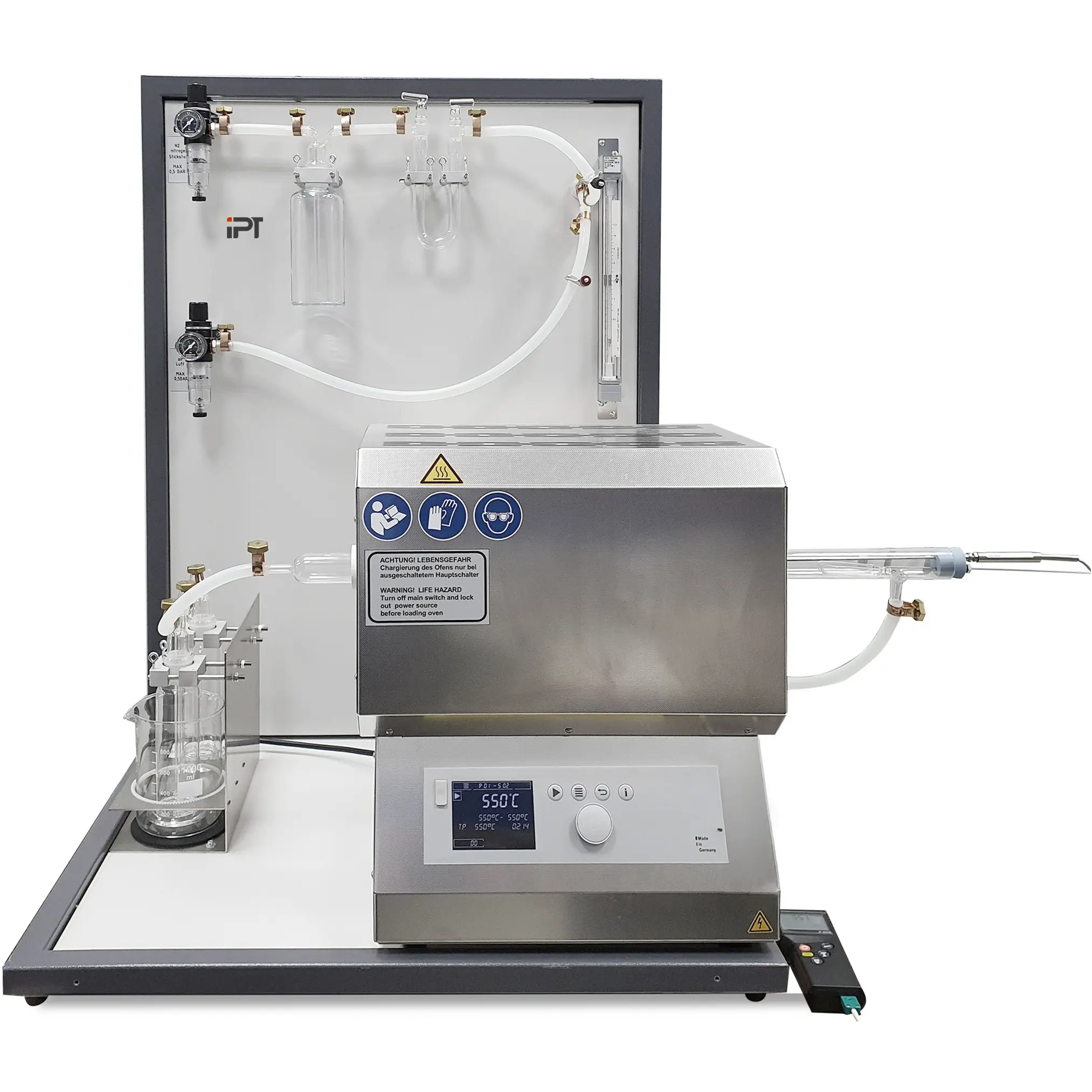
Standards stipulate the determination of the carbon black content of polyolefins and/or also the residue on ignition of carbon blacks.

Standards

  • ISO 6964
  • ASTM D 1895
  • Tests on raw materials

ASTM D1693 is a test method for determining environmental stress crack resistance (ESCR) in ethylene plastics.

Standards

  • ASTM D 1963
  • Tests on finished products
  • Tests on raw materials
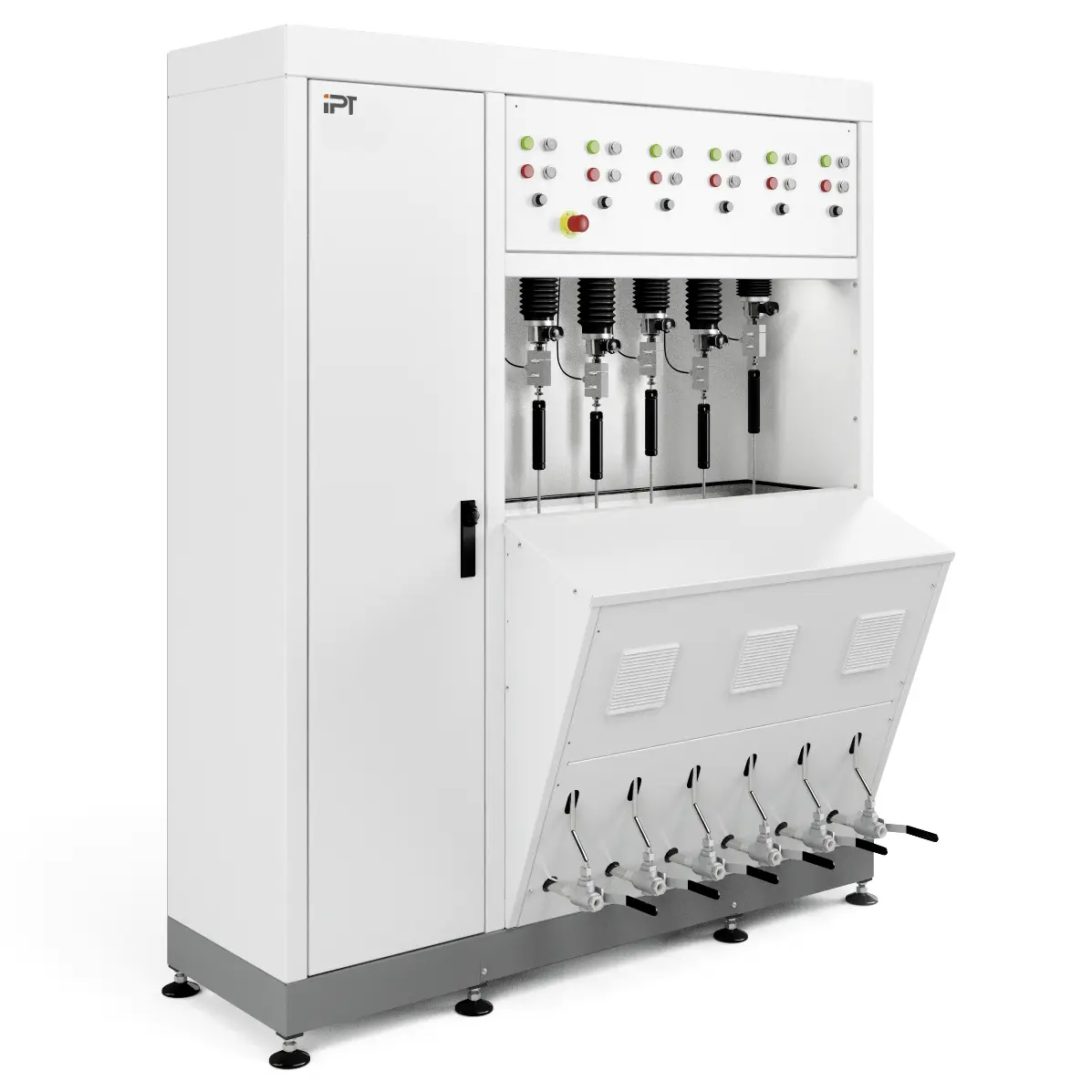
The tensile creep tester is used to determine the stress crack resistance of samples with a circumferential notch (FNCT – Full Notch Creep Test) under media influence.

Standards

  • ISO 16770
  • Tests on finished products
  • Tests on raw materials
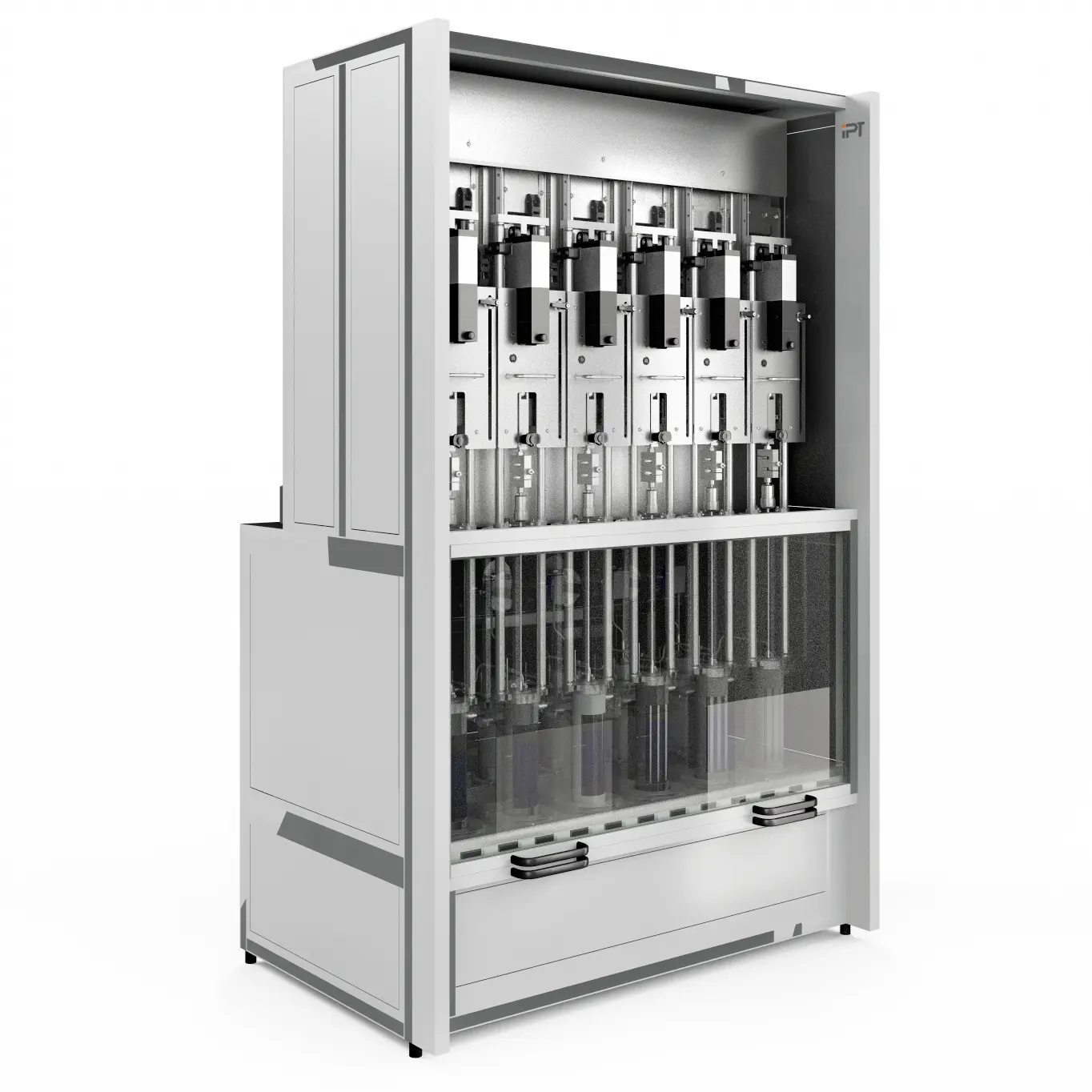
The tensile creep tester is intended for determining the resistance of plastic samples during a tensile creep test.

Standards

  • ISO 16770
  • Tests on finished products
  • Tests on raw materials
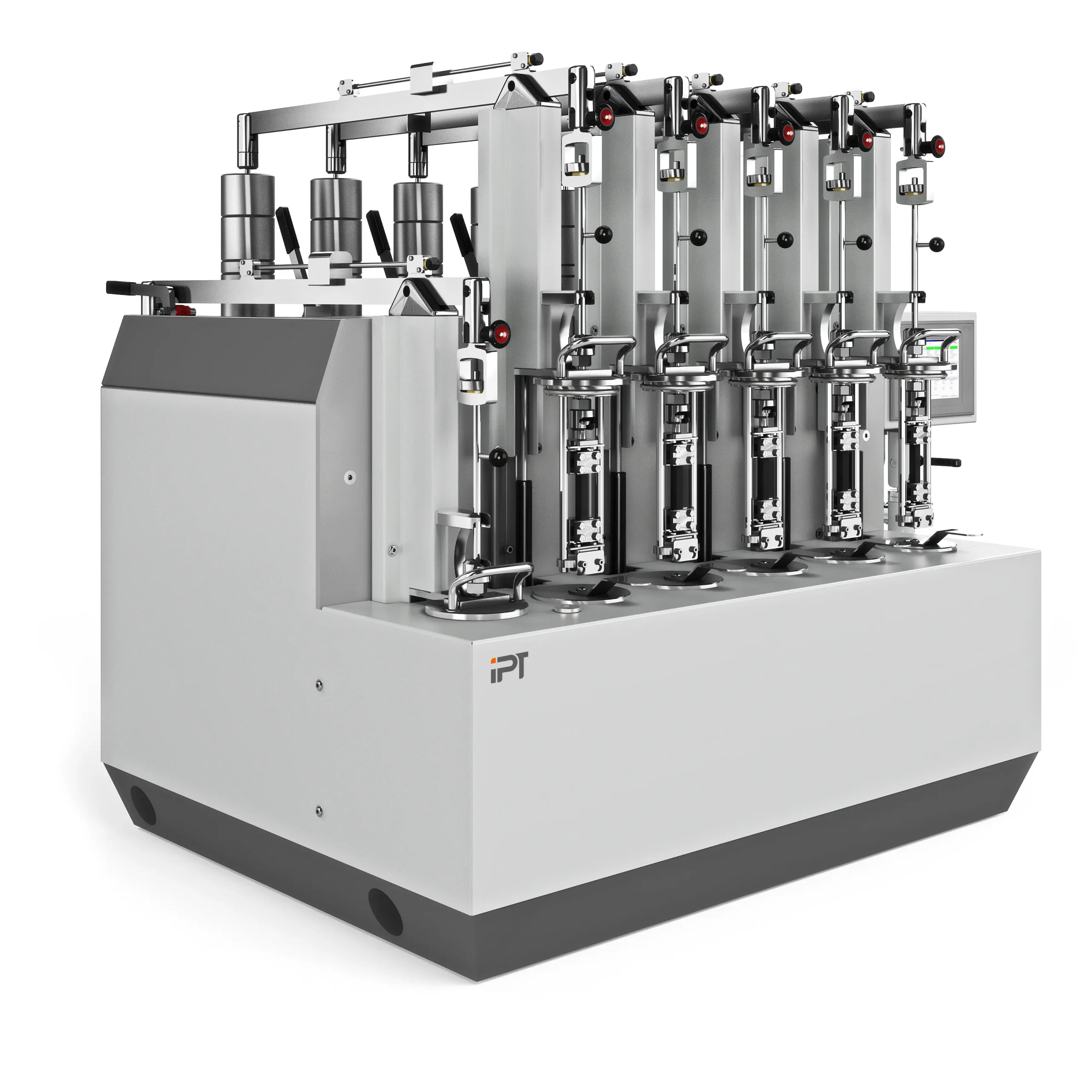
The tensile creep tester is used to determine the stress crack resistance of samples with a circumferential notch (FNCT – Full Notch Creep Test) under media influence. 

Standards

  • ISO 16770
  • Tests on finished products
  • Additional testing equipment
  • Tests on raw materials

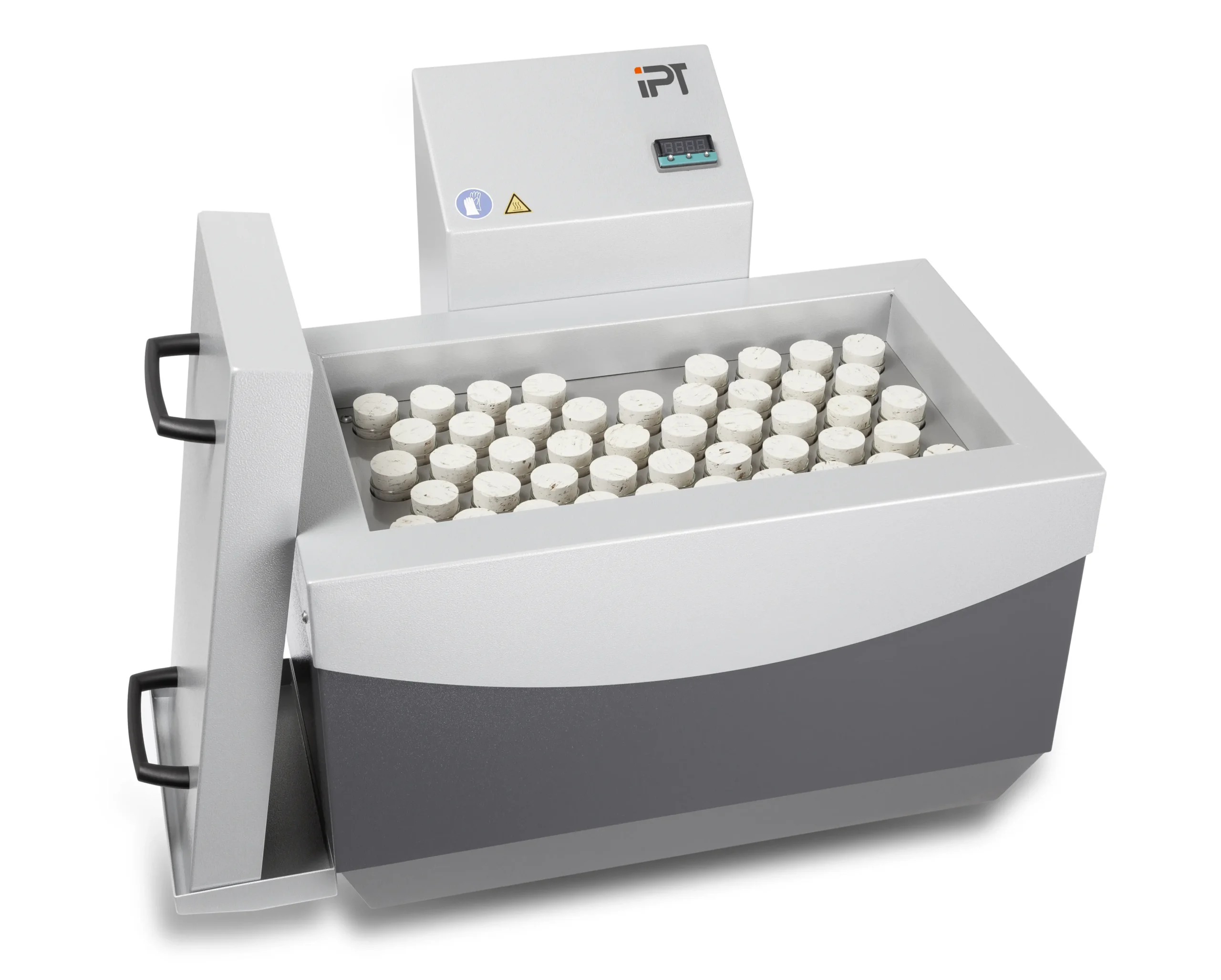
ISO 10147 stipulates that test samples made from crosslinked polyethylene (PE-X) must be stored in a specified, boiling solvent for a specific period of time and that the percent by weight of insoluble material is then measured.

Standards

  • ISO 10147
  • ASTM D 2765 Method B
  • DIN 16892
  • Tests on finished products
  • Tests on raw materials
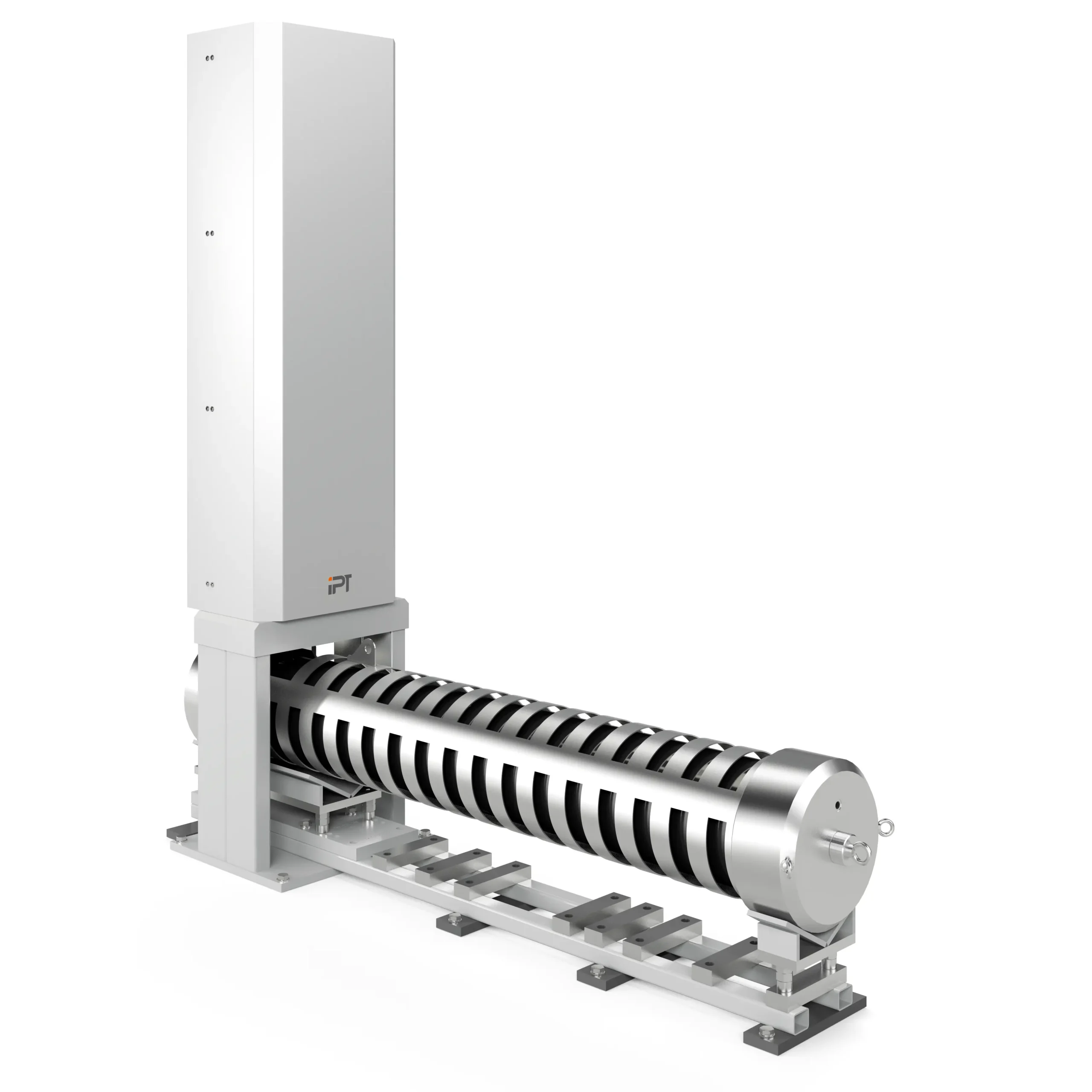
 The RCP-S4 tester model 1671 is developed to perform tests on pipes up to DN 630. 

Standards

  • ISO 13477
  • Tests on finished products
  • Tests on raw materials
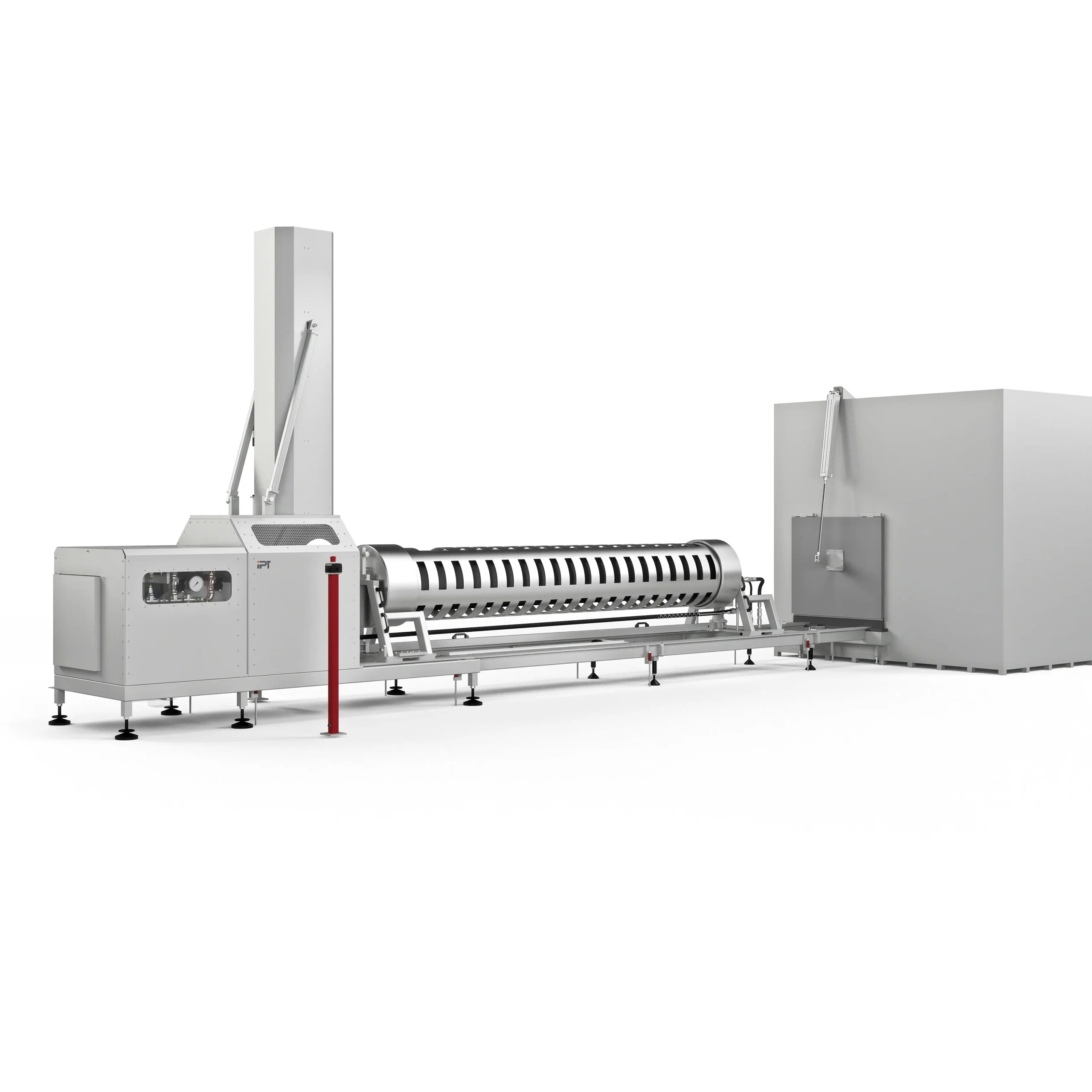
The tester model 1629 is used to determine the resistance of plastic pipes to rapid crack propagation under internal overpressure and low temperatures in accordance with ISO 13477 (Rapid Crack Propagation). 

Standards

  • ISO 13477
  • Tests on raw materials
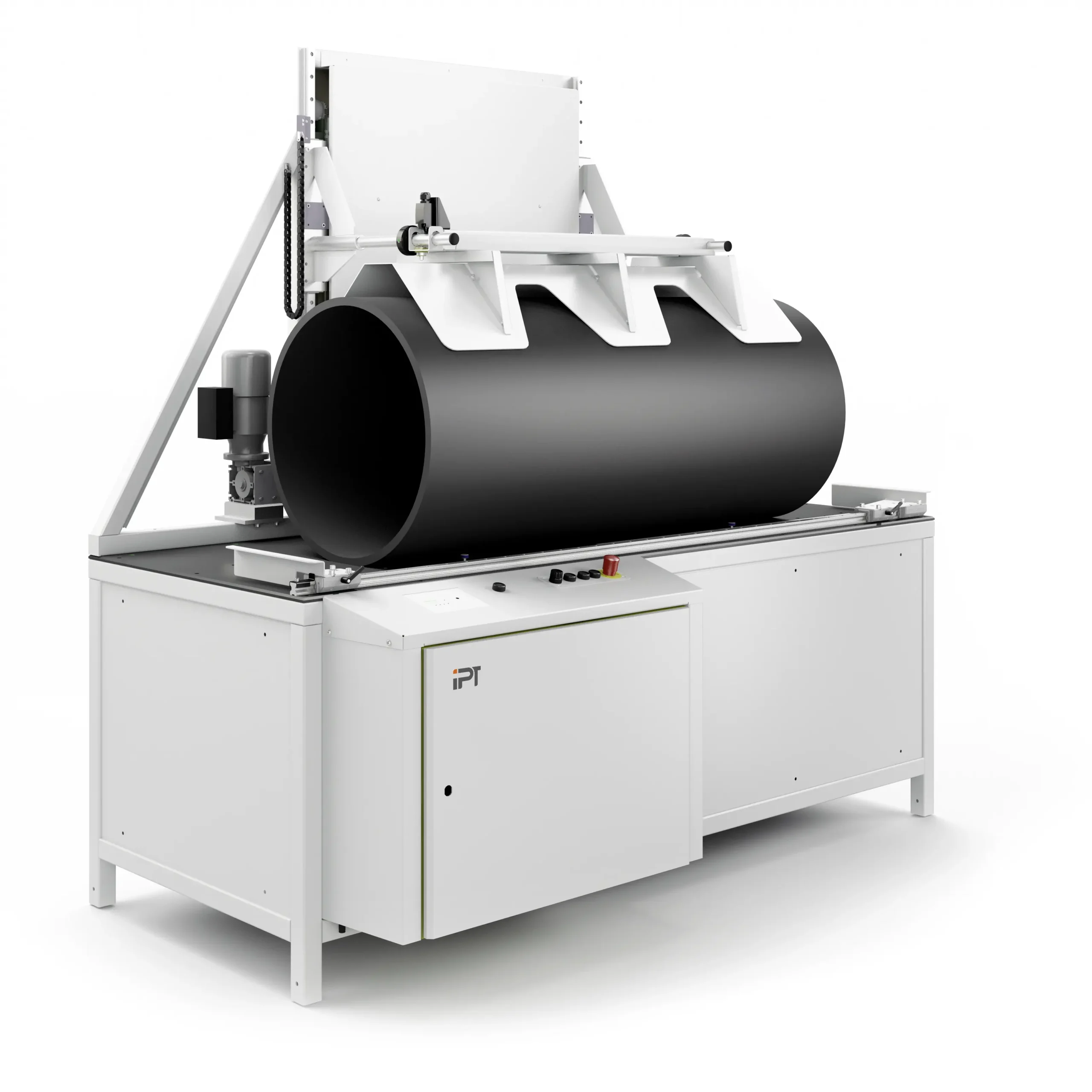
For the preparation of a sample for determining resistance to slow crack growth.

Standards

  • ISO 13480
  • Tests on raw materials
  • Sample preparation
ISO 13479 is a test method for determining the resistance to slow crack growth of polyolefin pipes for transporting fluids.

Standards

  • ISO 13479
  • Tests on raw materials
  • Sample preparation

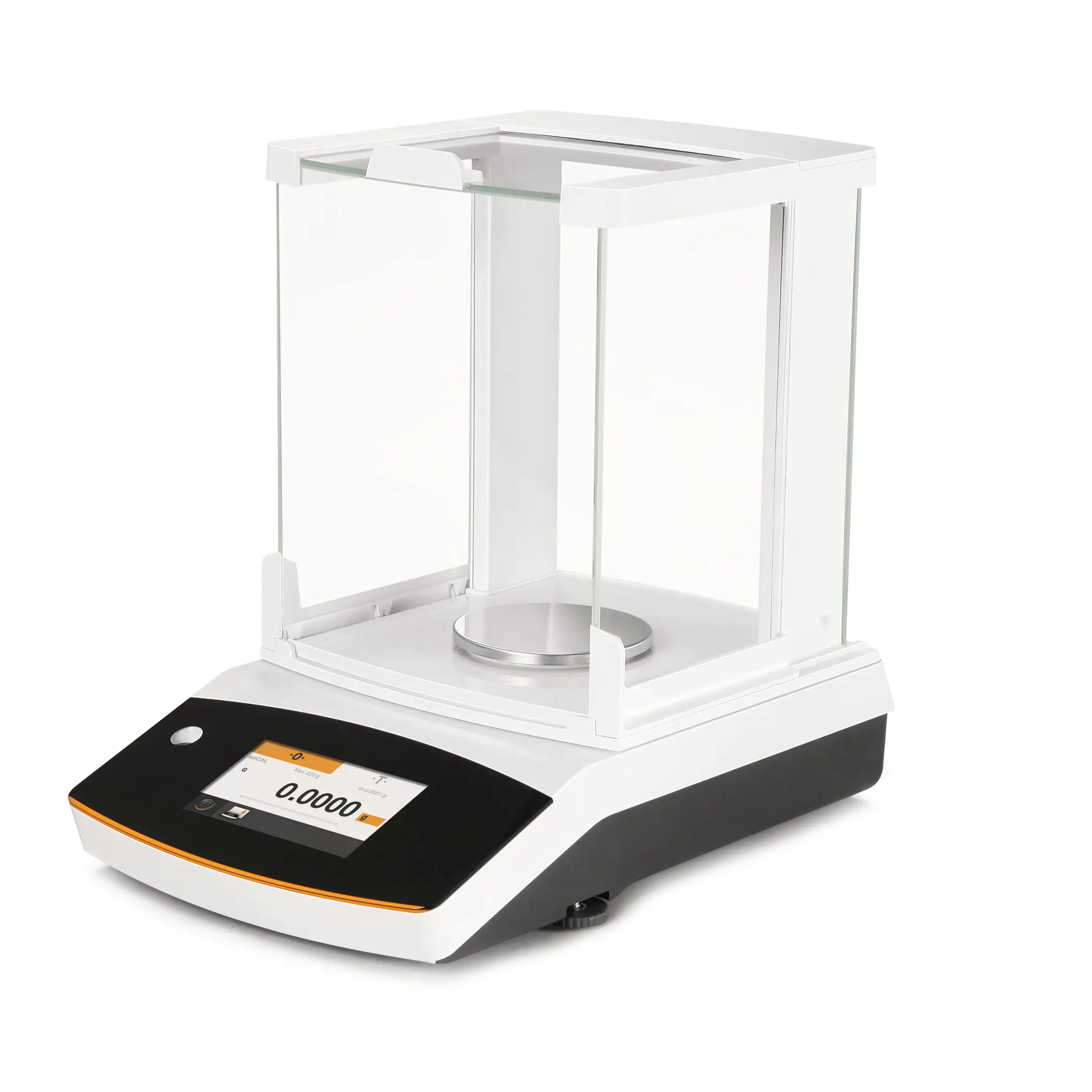
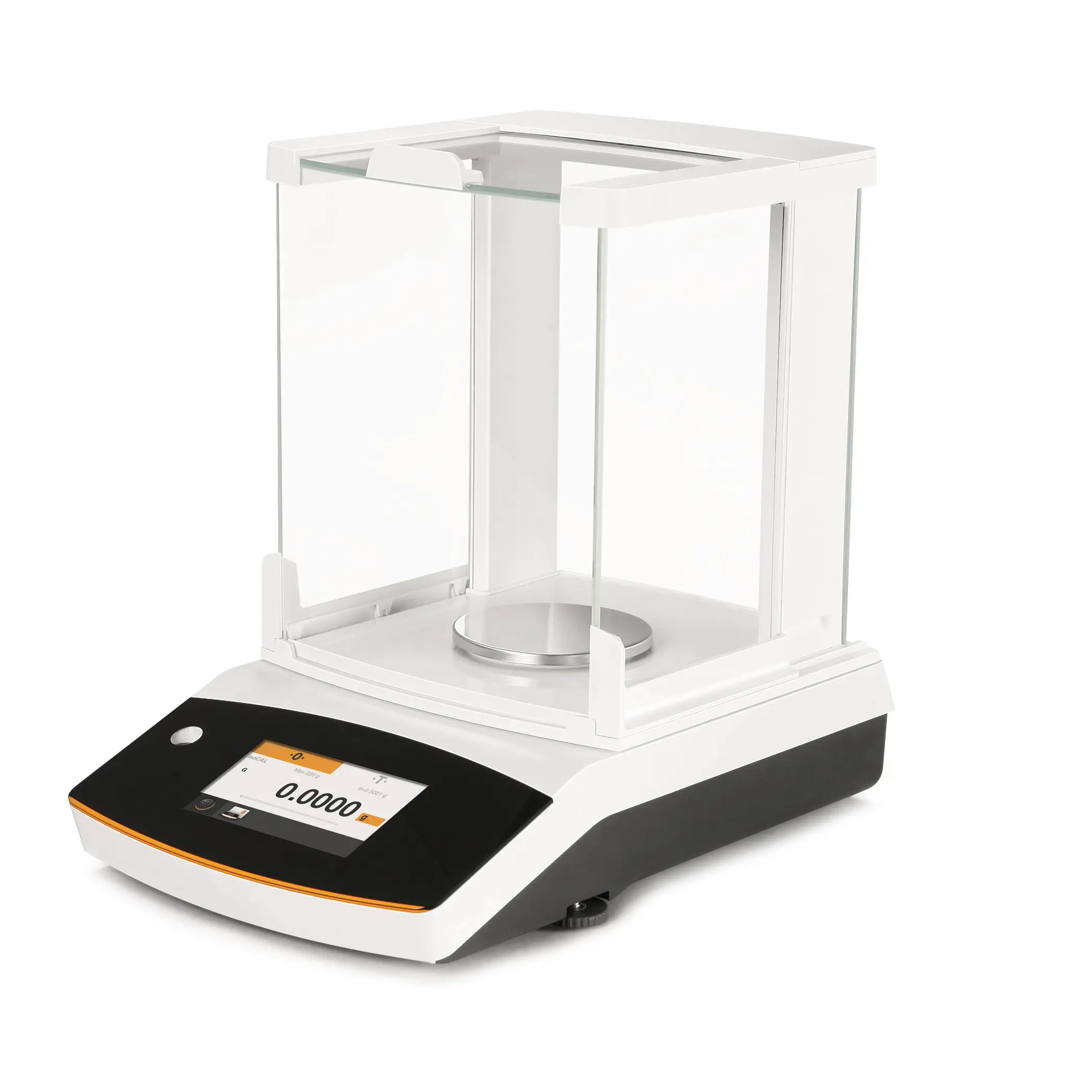
The analytical balance is required in every test laboratory. It is used to precisely determine important values such as MFR, carbon black content, K-value, degree of crosslinking, OIT, volatile components, water absorption and similar.

Standards

  • ISO 1133
  • ISO 1628-2
  • ISO 62
  • ISO 6964
  • EN 12099
  • Tests on raw materials

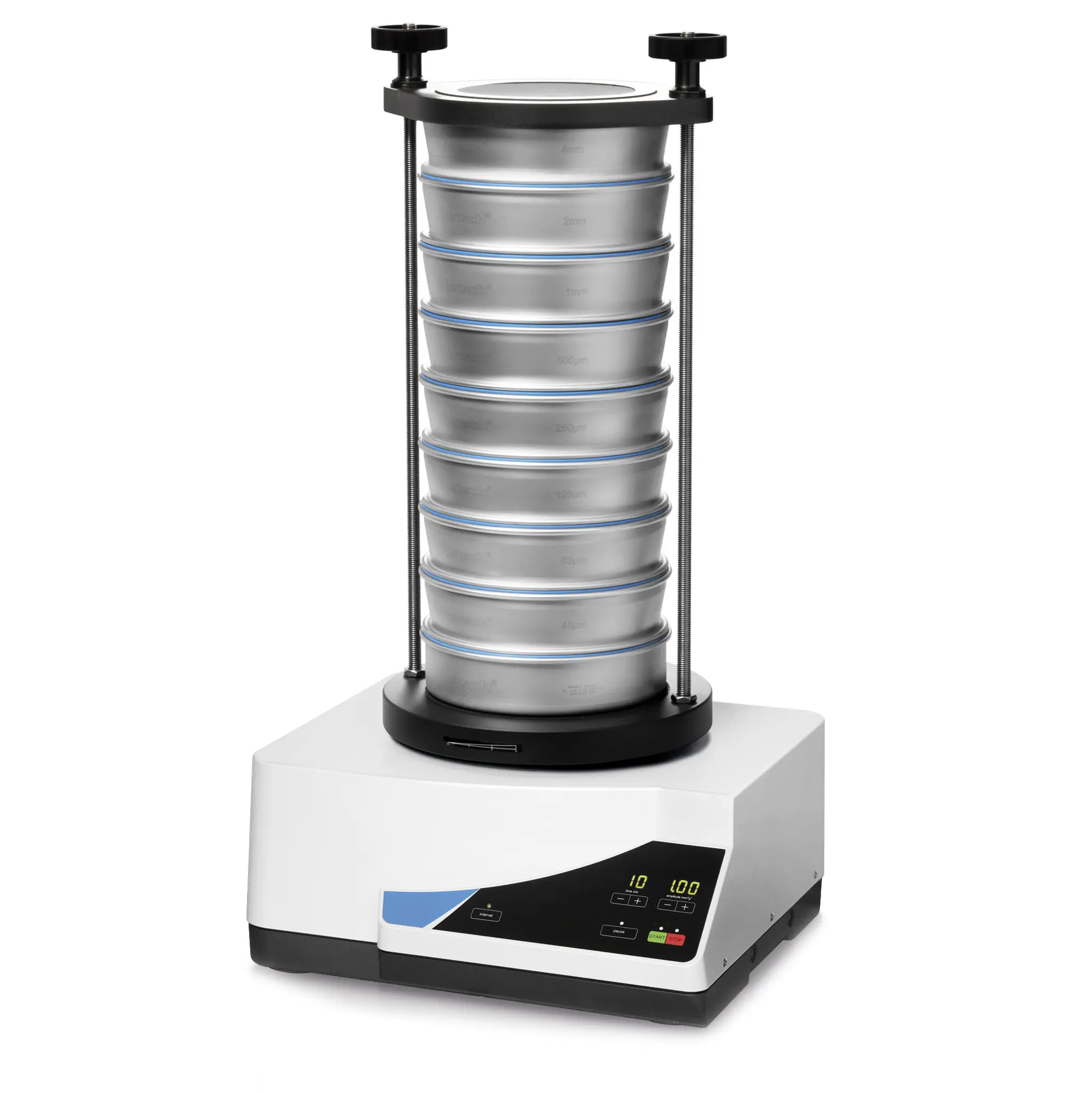
The digital laboratory sieving machine allows you to easilyand accurately determine the fineness and particle size distribution of all dust-like, powdery or granular products.

Standards

  • ISO 2395
  • ISO 3310
  • ISO 565
  • DIN 66165
  • ASTM D 1921
  • ASTM E 11
  • Tests on raw materials

This tester is used to determine the density of plastics according to the buoyancy method. The complete set consists of a beaker, thermometer, glass plummet for determining the liquid density, submerged filter and submerged contactor.

Standards

  • ISO 1183
  • ASTM D 792
  • Tests on raw materials

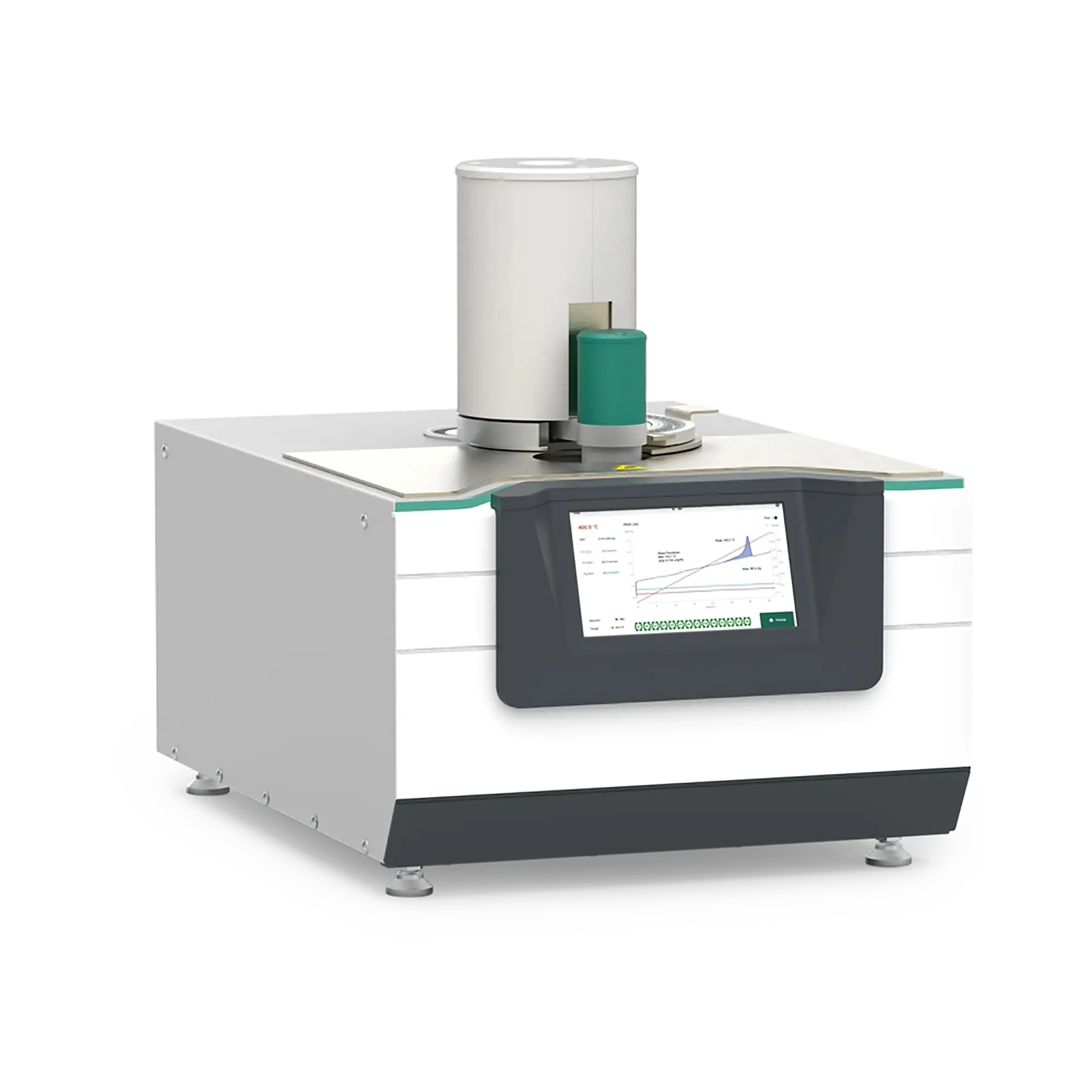
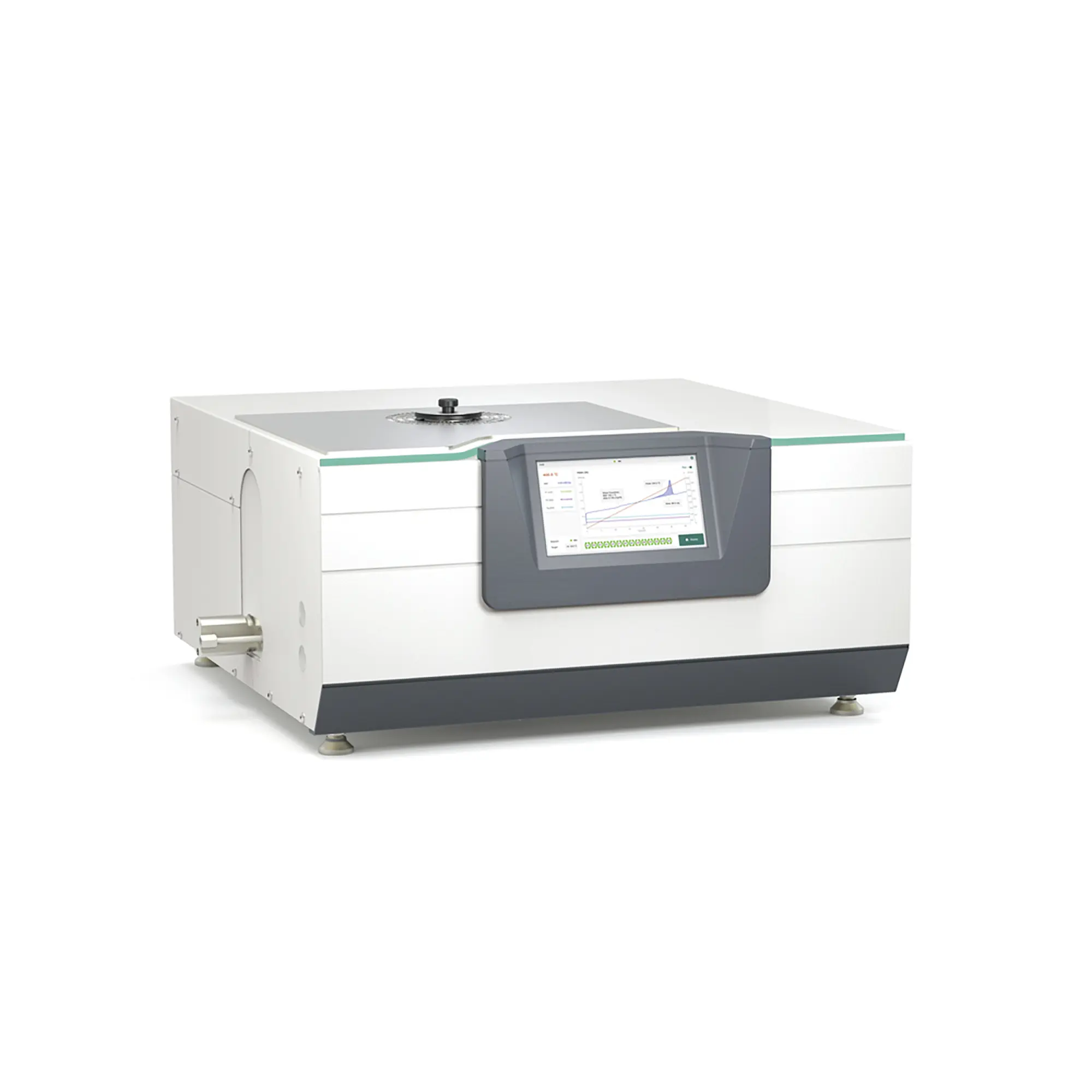
The device operates according to the heat flow principle. In this method, a sample and a reference are subjected to a controlled temperature programme (heating, cooling or isothermal).

Standards

  • ISO 11357-6
  • Tests on raw materials

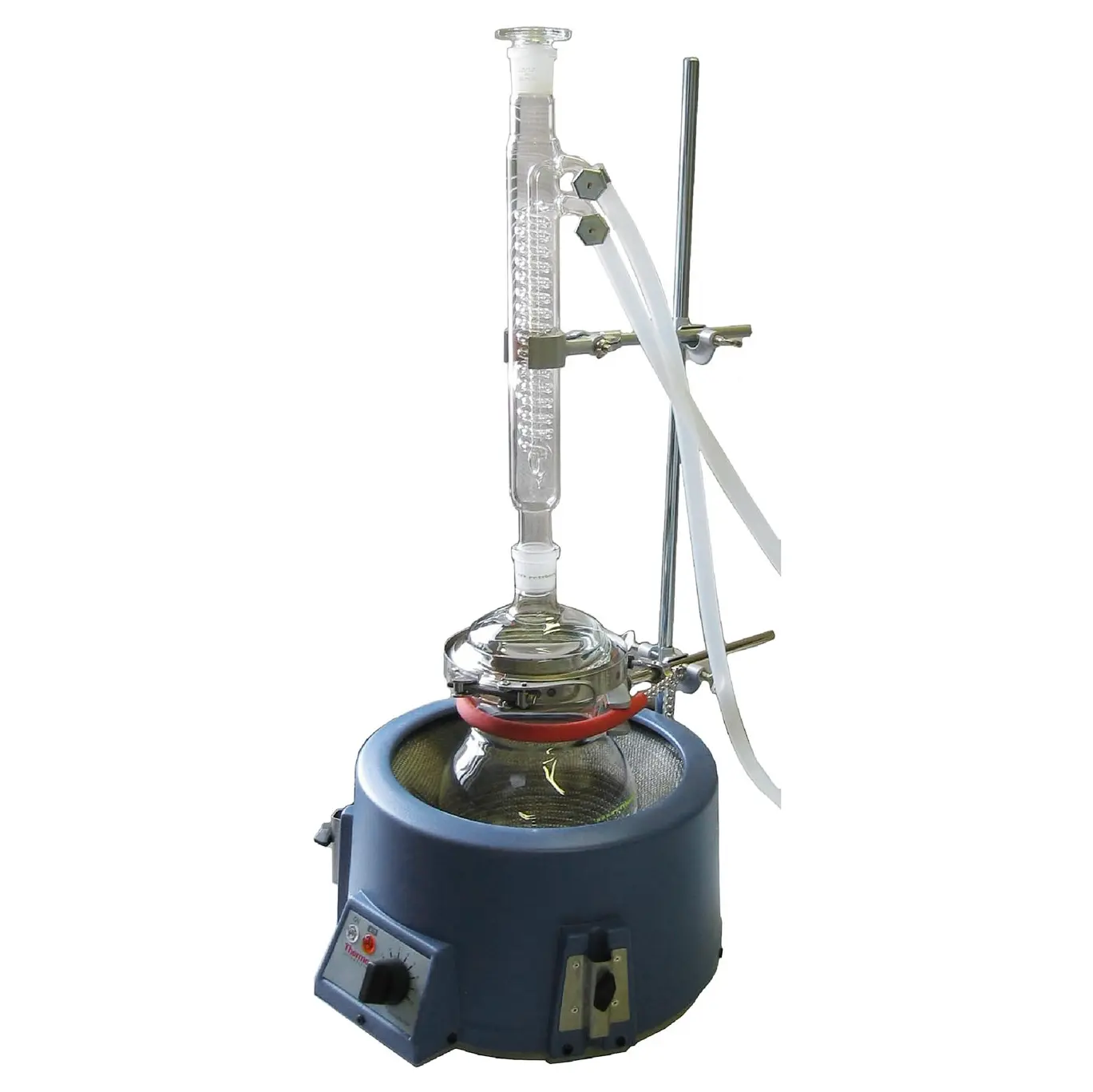
Dynamic differential calorimeter for determining the oxidation induction time for plastic piping and protective pipe systems, as well as fittings made of polyolefins.

Standards

  • ISO 11357-6
  • Tests on raw materials
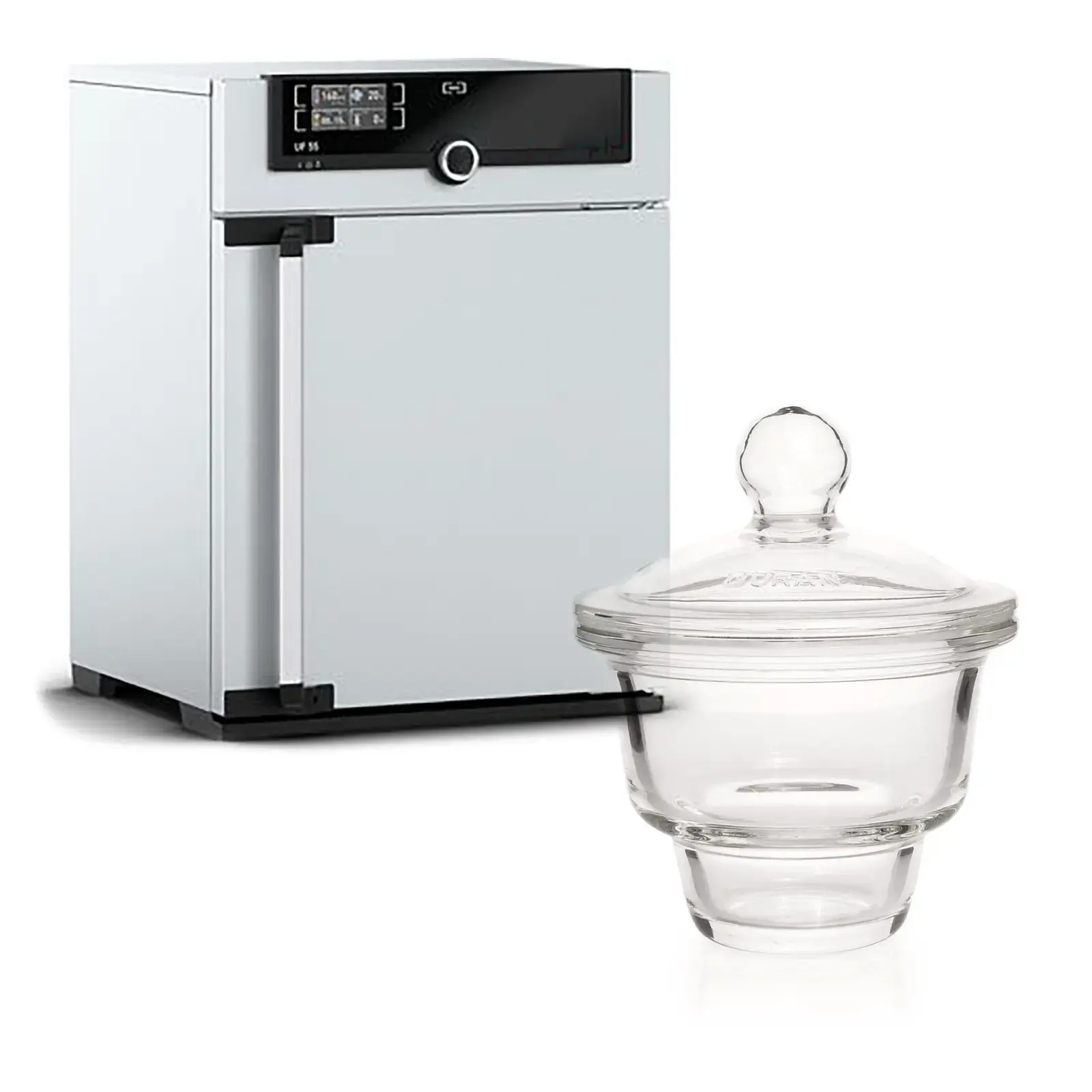
The unit for determination of volatile matter is designed for determining the content of material volatile at 105 °C in polyethylene (PE) piping materials. This method is applicable to moulding and extrusion materials. It also can be applicable to components in PE piping systems. 

Standards

  • EN 12099
  • Tests on raw materials
A water absorption testing device according to ISO 8361 is used to determine the water absorption capacity of porous materials under defined conditions. It enables controlled exposure of the sample to water over a specified period and under standardized environmental parameters.

Standards

  • ISO 62
  • ASTM D 570
  • Tests on raw materials
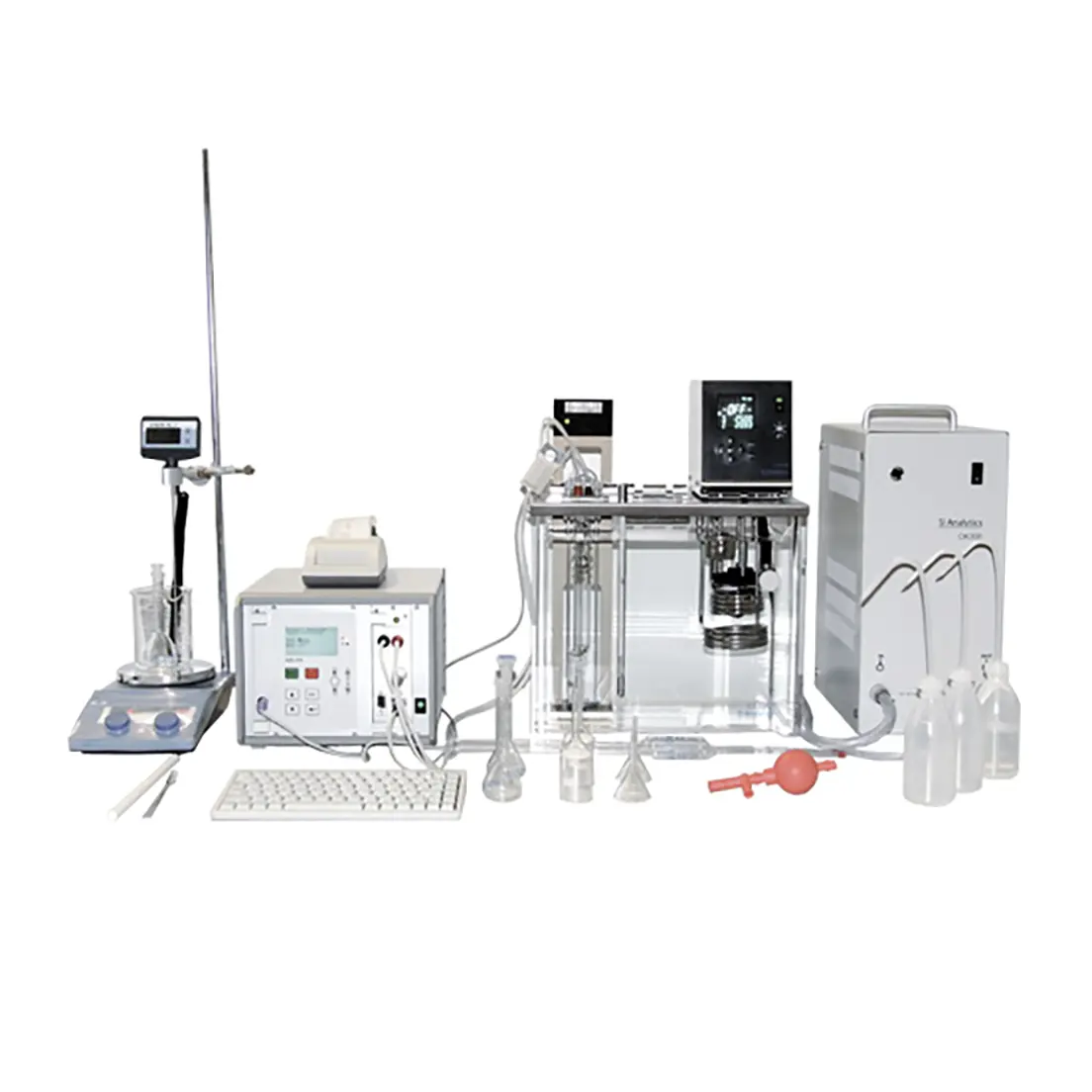
The test is used to determine the K value of PVC in a diluted solution at a temperature of 25 °C. The K value provides information for characterising the polymerisation of VC polymers.

Standards

  • ISO 1628-2
  • Tests on raw materials
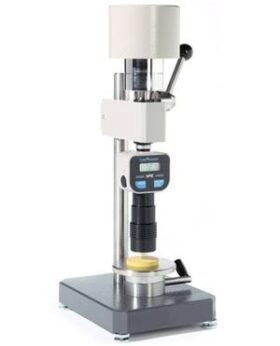
Shore hardness describes a material’s resistance to the penetration of an indenter under a defined force and is expressed on a scale from 0 to 100.

Standards

  • ISO 7619
  • ISO 868
  • ASTM D 2240
  • Tests on raw materials

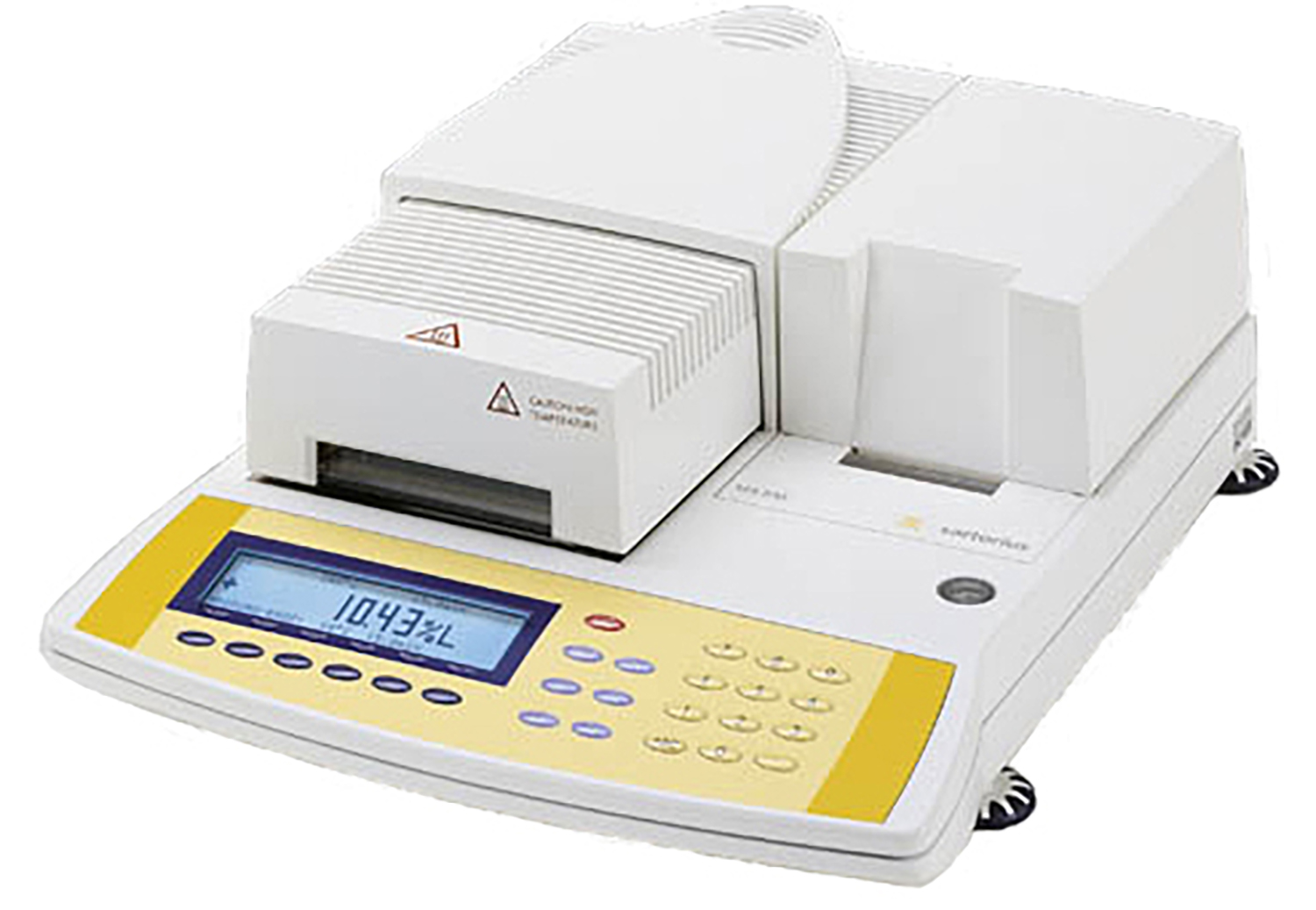
The tester for determining moisture content is used to quickly and reliably determine the material moisture content of liquid, paste-like and solid substances according to the thermogravimetric method.

Standards

  • ISO 585
  • EN 12118
  • Tests on raw materials

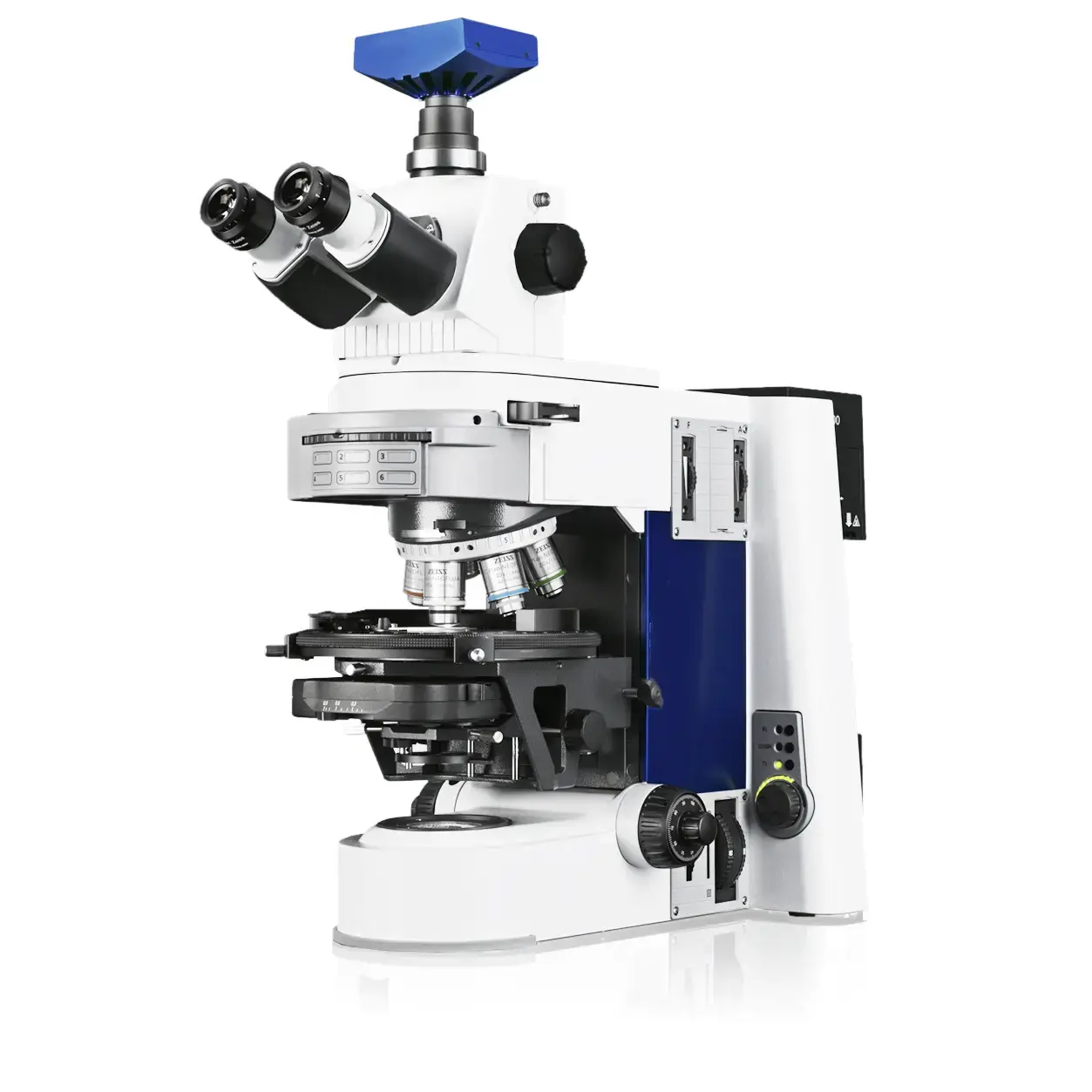
According to the method for the assessment of the degree of pigment and carbon black dispersion in polyolefin pipes, fittings and compounds, a microscope is required to examine the particles and agglomerates in the test sample.

Standards

  • ISO 18553
  • ASTM D 5596